Overnight White Desert Safari from Cairo
Black Desert, Crystal Mountain and a night at camp among the chalk towers of the White Desert, two days by 4x4 from Cairo.
From $250
View Tour 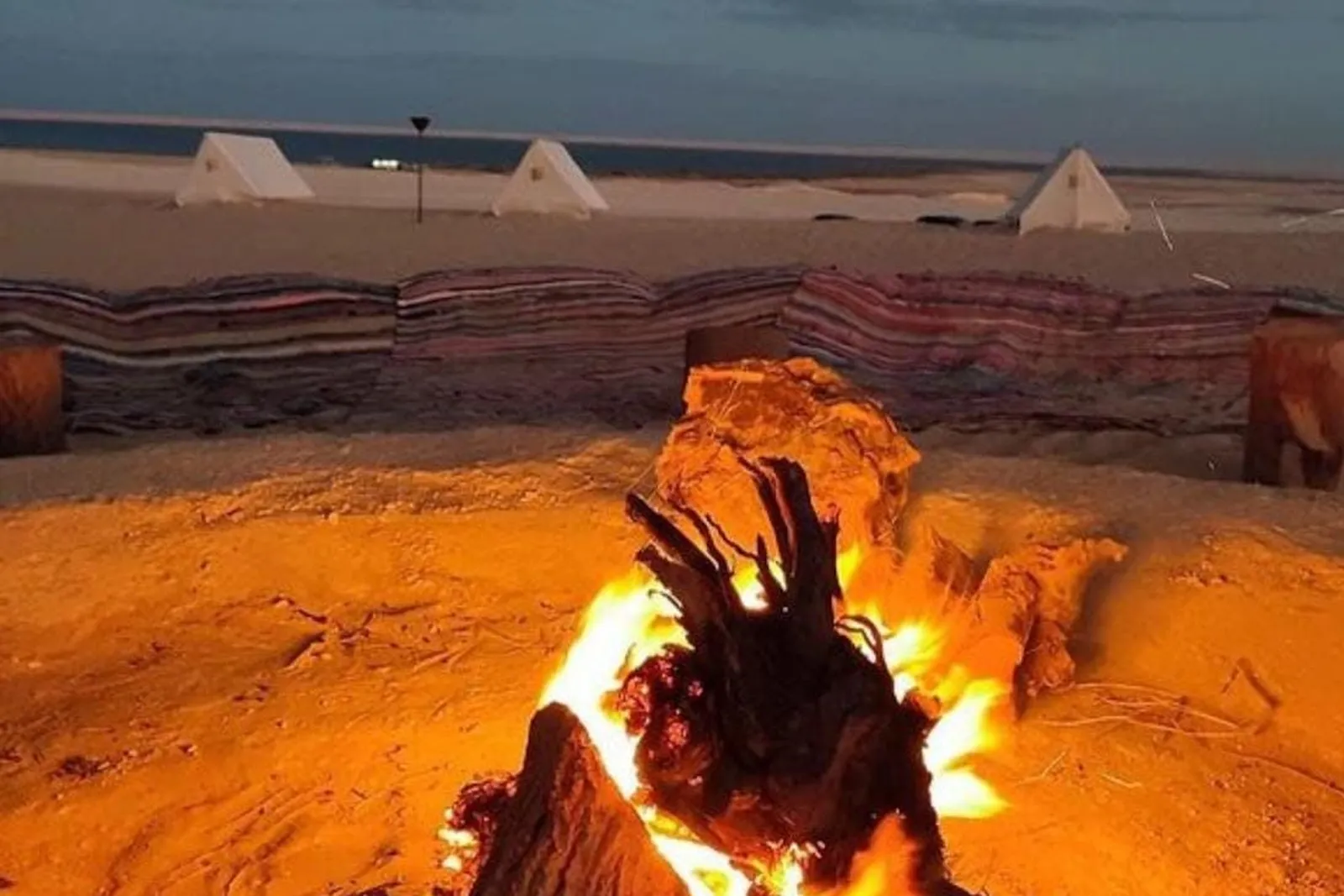
The White Desert, Siwa or Fayoum? Where the darkest skies near Cairo are, the best months and moon phases for stargazing, and how to photograph the Milky Way on a desert trip.
Ask our guests what they remember most from a night in the desert and many say the same thing: the sky. Away from the lights of Cairo, the Western Desert is one of the darkest places you can easily reach in Egypt, and on a clear night the stars come down to the horizon. Here is where to go, when to go and how to make the most of it.
Greater Cairo is one of the largest cities in the world, and its glow hides all but the brightest stars. Once you are a few hours into the Western Desert there are no towns, no street lights and almost no humidity. Dry, clean air and total darkness are exactly what stargazing needs. On a moonless night you can see thousands of stars with the naked eye, shooting stars every few minutes and the Milky Way stretching across the whole sky.
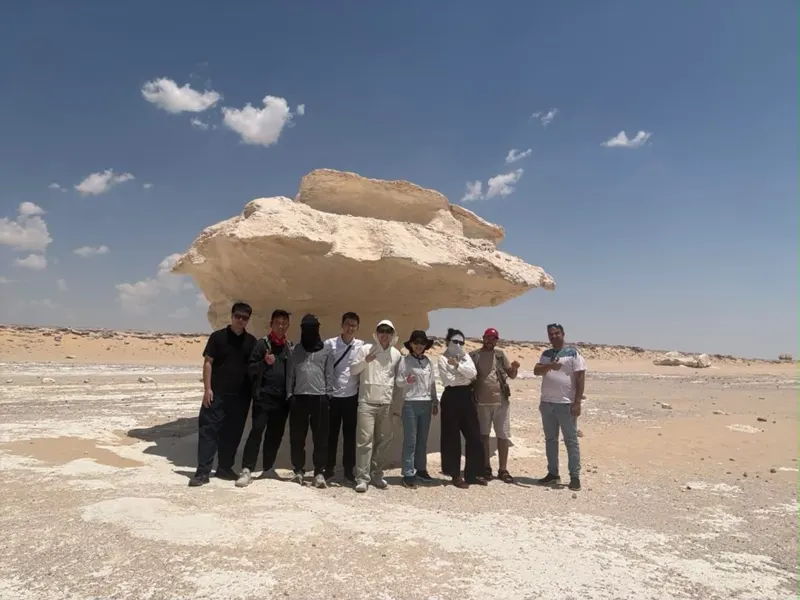
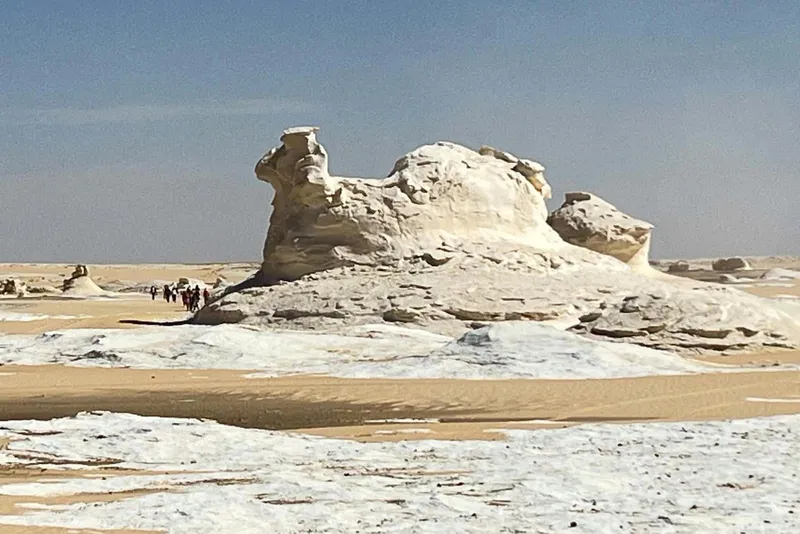
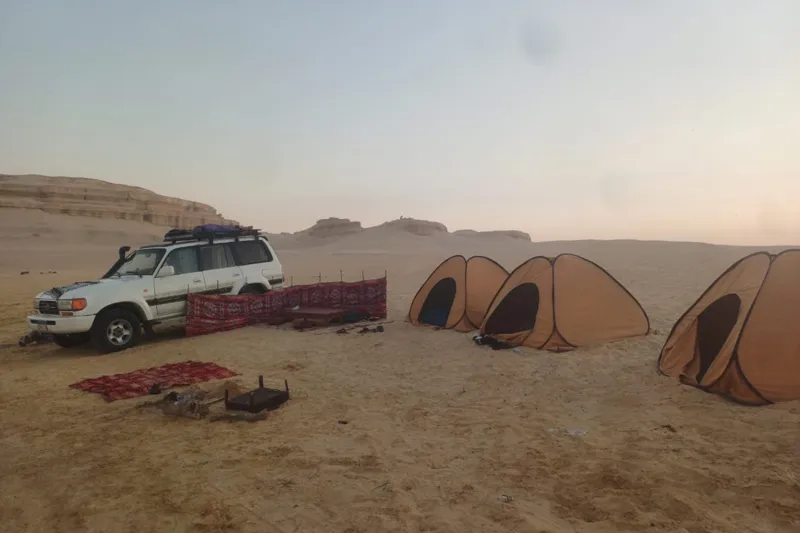
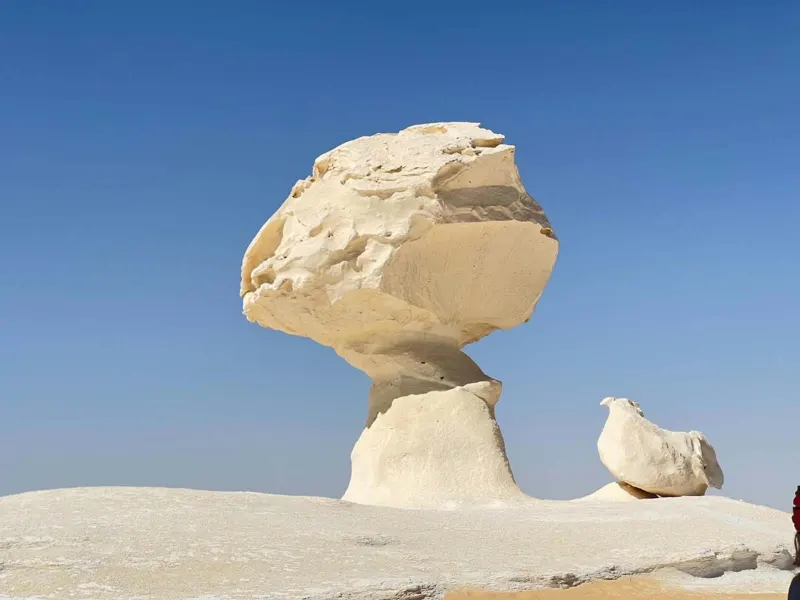
The White Desert is our favourite place for a night under the stars. It is a protected area with no buildings, and we camp among the chalk formations, which glow faintly in starlight. It is a day’s drive from Cairo through Bahariya Oasis, so a single overnight safari is enough: sunset, dinner by the campfire, a few hours of stargazing and sunrise over the rocks.
Siwa is even more remote, close to the Libyan border, and the dunes of the Great Sand Sea south of the oasis have some of the darkest skies in the country. Siwa is a long drive from Cairo, so it works best on a trip of several days, with time for the salt lakes, the hot springs and a night in the dunes.
Fayoum is around two hours from Giza, so it is the closest real desert to the capital. The sky is darker than in Cairo but you can still see some glow from towns on the horizon. Our Fayoum trips are day trips; if stars are important to you, ask us about staying in the desert after sunset before heading back.
| Place | From Cairo | Darkness | Best for |
|---|---|---|---|
| White Desert | One overnight safari | Very dark | Most travellers, camping under the stars |
| Siwa and the Great Sand Sea | Several days | Very dark, very remote | Longer trips and photographers |
| Fayoum | About 2 hours | Darker than Cairo | A first taste on a short trip |
The Moon matters more than the month. Plan your desert night as close as possible to the new moon: a full moon is beautiful over the White Desert, but it lights up the sky and hides most of the stars. In the week around the new moon the sky is at its darkest.
The brightest part of the Milky Way, its centre, is best seen on summer evenings, roughly from May to September. Winter nights are longer and very clear, but cold, so bring proper warm clothes from December to February. Two meteor showers are worth planning around: the Perseids, which peak around 12 to 13 August, and the Geminids, which peak around 13 to 14 December.
Modern phones can take good night-sky photos in night mode if they are completely still. Lean the phone on a bag or a rock, or bring a small tripod, and use a timer so you do not shake it. With a camera, use a wide lens, the widest aperture, a high ISO and an exposure of around 15 to 20 seconds. A chalk rock or a tent in the foreground makes the photo, and our drivers know the best formations near camp.
Tell us when you book if stargazing is important to you. We can suggest dates near the new moon and set up camp away from other groups.
Black Desert, Crystal Mountain and a night at camp among the chalk towers of the White Desert, two days by 4x4 from Cairo.
Six days to Egypt’s most remote oasis: salt lakes you float in, hot springs among the palms and a 4x4 day in the Great Sand Sea.
Two days in the Black and White Deserts with a small shared group: 4x4 safari, a night at camp under the stars and all meals, at one fixed price per person.
The White Desert. It is a protected area with no lights, and one overnight safari from Cairo is enough to camp there.
Yes. In the Western Desert on a clear night around the new moon the Milky Way is easy to see with the naked eye.
Any month works if you go near the new moon. Summer is best for the bright centre of the Milky Way, while winter nights are long and clear but cold.
No. The naked eye is enough to enjoy the sky. Binoculars are a nice extra for the Moon and star clusters.
How hot the days are, how cold the nights get and what the wind does in each season, for the White Desert, Bahariya and Siwa, with what to pack for every month.
Fayoum, Siwa or the White Desert? Where the best sandboarding dunes in Egypt are, how a session works, what to wear and how to fit it into a trip from Cairo.
Where you sleep, what you eat, how cold it gets and what to do about the bathroom: an honest guide to a night at a desert camp in the White Desert, from the team that sets it up.
AI answers can contain mistakes. Our team confirms every booking on WhatsApp.